Step onto the sun-baked sands of Tunisia, and you're not just exploring a North African nation; you're stepping into the iconic desert planet of Tatooine. For fans of Star Wars: Episode II – Attack of the Clones, the landscapes of Tunisia hold a special, cinematic magic, preserving the very spots where Anakin Skywalker's tragic path began. This guide delves into the Tunisian filming sites for Attack of the Clones' Tatooine, revealing how this real-world desert became the backdrop for some of the saga's most pivotal scenes.
It's a testament to Tunisia's unique terrain that George Lucas chose it not once, but repeatedly, to bring his distant galaxy to life. From vast salt flats to ancient troglodyte dwellings, the country offered an otherworldly quality perfectly suited for a twin-sunned planet far, far away.
At a Glance: Your Tatooine Expedition Essentials
- Core Attack of the Clones Sites: Ong Jemel (Darth Maul's landing), Hotel Sidi Driss (Lars Homestead interior), and Chott el-Djerid (Lars Homestead exterior).
- The Enduring Legacy: Many film sets, particularly Mos Espa, remain partially preserved in the desert.
- Beyond Star Wars: Tunisia has hosted other major productions like The English Patient and Monty Python’s Life of Brian.
- Navigating the Dunes: Most sites are remote, often requiring a 4x4 and local tour operator assistance.
- Cultural Immersion: Discover ancient Berber villages and unique desert architecture alongside cinematic history.
Why Tunisia? The Enduring Allure of a Galaxy Far, Far Away
Imagine a place where the horizon stretches infinitely, painted in hues of ochre and gold, where ancient structures seem to emerge from the very earth, and the silence is broken only by the whisper of the wind. This is Tunisia, a country that effortlessly transforms into the desolate yet captivating planet of Tatooine. Its vast, dramatic landscapes, particularly the southern desert regions, offered George Lucas an authentic, unblemished canvas.
Lucas wasn't just looking for sand; he sought an evocative sense of isolation and a unique architectural vernacular that could pass for alien dwellings. Tunisia's traditional Berber villages, with their fortified granaries (ksars) and underground cave homes, provided this perfectly. The blend of stark natural beauty and ancient human habitation gave Tatooine its distinctive, lived-in feel, making it far more than just a dusty backdrop. This rich tapestry of authentic locations is why Tunisia became synonymous with the Star Wars universe from its very inception, shaping how we visualize Anakin and Luke Skywalker's home planet across multiple films, including critical scenes in Star Wars Episode II.
Navigating the Sands of Time: Attack of the Clones' Key Tatooine Locations
While many Star Wars scenes were filmed in Tunisia across different episodes, a few specific locations were crucial for Attack of the Clones, solidifying their place in cinematic history. These sites allow you to trace the footsteps of young Anakin and witness the landscapes that bore witness to his tumultuous journey.
Ong Jemel and the Ghost of Mos Espa: Darth Maul's Landing Site
Deep within the Sahara dunes, near the vast salt lake of Chott el Gharsa, lies Ong Jemel. The name itself, meaning 'camel's neck,' perfectly describes an iconic, solitary rock formation that juts out from the sand, resembling a petrified creature. In Attack of the Clones, this dramatic landmark serves as Darth Maul's sinister landing site on Tatooine, adding an immediate sense of foreboding to the planet's familiar warmth.
Just a stone's throw from Ong Jemel, you'll find the surprisingly well-preserved remains of the Mos Espa film set. Though primarily built for Episode I: The Phantom Menace, elements of this desert town would have been part of the broader Tatooine landscape during the filming of Attack of the Clones. Walking through Mos Espa is an immersive experience. You can wander down village streets, past the remnants of market stalls, and even identify structures like Watto’s shop or Sebulba’s café. While Episode II didn't feature extensive scenes within Mos Espa, the existence of this set underscores Tunisia's role in creating the detailed, expansive world of Tatooine that seamlessly carries over between the prequel films. The vastness of the Eriguet dunes surrounding Mos Espa also provided additional backdrop areas that contributed to the look and feel of Tatooine in both Episode I and Star Wars Episode II. This area truly brings the sense of a bustling desert port to life, even in its current, abandoned state.
Underground Homage: The Lars Homestead Interiors at Hotel Sidi Driss, Matmata
For many, the most poignant reminder of Tatooine's enduring presence in Tunisia is the Hotel Sidi Driss in Matmata. This functioning hotel, built into traditional Berber-style adobe caverns, holds a truly special distinction: it served as the interior for the Lars Homestead, the childhood home of Luke Skywalker in A New Hope, and later, the ancestral home featured in Attack of the Clones.
Visiting the Hotel Sidi Driss is like walking directly onto a movie set that never truly closed. The production team, recognizing its unique potential, restored the film memorabilia here in 1995, prior to the prequel filming. As you step down into the central courtyard, you're immediately struck by the distinctive crater-like architecture, a hallmark of Matmata's troglodyte dwellings. Each "room" or alcove is a cave, kept cool by the thick earthen walls, mirroring the practical ingenuity of Tatooine's residents. You can explore the dining area, the kitchen, and the various living spaces where Luke famously whined about power converters and where Anakin would have spent some of his formative years. The experience here is tangible, connecting you directly to the Skywalker family saga as depicted across multiple films, including the poignant scenes in Attack of the Clones. It's more than just a set; it's a living monument to Star Wars history.
The Vast Expanses: Chott el-Djerid's Lars Homestead Exterior
Complementing the interior shots of the Lars Homestead in Matmata, the desolate, almost alien landscape of Chott el-Djerid provided the iconic exterior. This immense salt lake, often appearing as a vast, shimmering white plain that stretches to the horizon, is punctuated by the dome-shaped structure that served as the entrance to the Lars Homestead.
In Attack of the Clones, this location is particularly significant. It’s here that Anakin Skywalker returns, driven by premonitions of his mother, Shmi. The stark, otherworldly beauty of Chott el-Djerid perfectly encapsulates the isolation and raw emotion of these scenes. The distinctive dome, a beacon in the endless expanse, provides a sense of familiar melancholy. While the current structure might be a replica or require some imagination, standing on this very spot evokes the feeling of being on the edge of civilization, just as it was portrayed for both young Luke and the troubled Anakin in Star Wars Episode II. The sheer scale and unique topography of Chott el-Djerid were vital in defining the visual identity of Tatooine, making it a truly unforgettable and recognizable landmark for fans.
The Magic Behind the Scenes: What Made These Sites Work
The enduring appeal of Tunisia's Tatooine locations lies not just in their natural beauty, but in how effectively they were utilized by the filmmakers. George Lucas and his team sought authenticity. They didn't need to build elaborate sets from scratch for many scenes; the unique architecture of Berber villages and the vast, unblemished desert landscapes already provided a ready-made alien world.
For Attack of the Clones, the familiarity of these locations, already established in A New Hope and The Phantom Menace, allowed for a seamless return to Tatooine. The desolate plains of Chott el-Djerid, for instance, perfectly conveyed Anakin's desperate journey to find his mother, the stark environment mirroring his internal turmoil. The troglodyte dwellings of Matmata offered a natural, sheltered environment that felt both ancient and futuristic, perfectly encapsulating the rugged survivalism of the homestead. The minimal intervention required on these sites meant that the budget could be allocated to other aspects of the production, and the natural light and textures provided a level of realism that CGI alone could not replicate. It’s this combination of natural wonder, cultural authenticity, and ingenious filmmaking that cemented these Tunisian locales as cornerstones of the Star Wars universe, making the production of Star Wars Episode II incredibly impactful.
Beyond Episode II: Tunisia's Broader Star Wars Legacy
While Attack of the Clones solidified Tunisia's role in the prequel trilogy, it's worth remembering that the country's connection to Star Wars runs deep, beginning with A New Hope. The sheer number of diverse locations used across the saga speaks to Tunisia's versatility.
Beyond the specific Episode II sites, other iconic Tunisian locales include:
- Sidi Bouhlel ('Star Wars Canyon'): A desert ravine featured in A New Hope for scenes like the Tusken raiders' attack on Luke and the Jawas kidnapping R2-D2. Its dramatic cliffs and narrow passages evoke a primal, dangerous Tatooine.
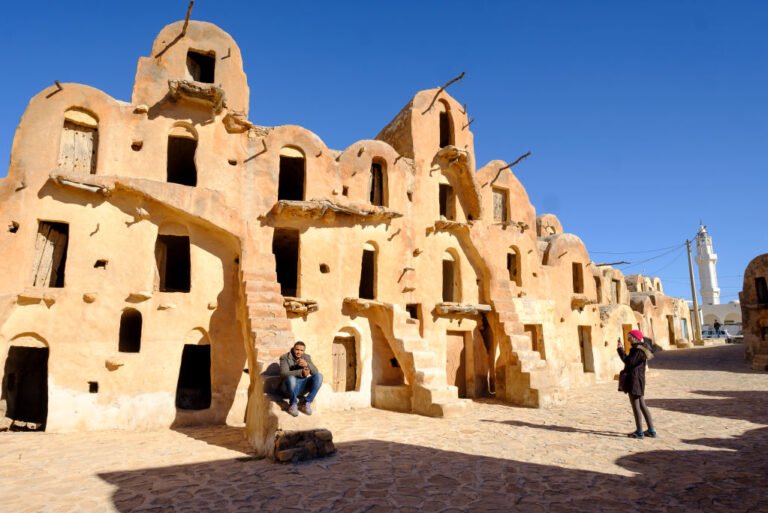
- Tataouine: The namesake for the planet itself, known for its ksars (fortified granaries). Ksar Ouled Soltane, for example, was depicted as 'Slave Quarters Row' in The Phantom Menace.
- Djerba Island: Home to the exterior of Obi-Wan Kenobi’s home from A New Hope, a simple building now used by local fishermen, later enhanced with CGI.
- Ajim: The exterior of Mos Eisley Spaceport in A New Hope, the notorious hive of scum and villainy.
These sites, while not directly featured in Attack of the Clones, are part of the broader tapestry that makes Tunisia the spiritual home of Tatooine. They demonstrate the enduring vision that saw this real-world country as the perfect embodiment of a fictional alien world across decades of filmmaking.
Tunisia: A Filmmaker's Paradise Beyond Star Wars
It's not just the Star Wars galaxy that found its footing in Tunisia. The country's unique landscapes, historical architecture, and clear light have attracted filmmakers for generations, making it a compelling destination for any film buff.
Consider these other cinematic masterpieces that utilized Tunisia's diverse offerings:
- The English Patient (1996): This Oscar-winning film used Tunis, the capital, to represent 1930s Cairo. Its ornate Arab architecture, particularly traditional Islamic-style villas, provided the perfect setting for scenes like those at the British Ambassador’s home. The sweeping desert vistas also mirrored the North African desert where much of the story unfolds.
- Monty Python’s Life of Brian (1979): The irreverent comedy found its 'Holy Lands' in various Tunisian locations.
- The Ribat, Monastir: This impressive fortified monastery, dating back to 797 AD, served as a primary location for many of the film's iconic scenes, including the 'stoning' of John Cleese and Brian's address to the crowds.
- Matmata: Beyond its Star Wars fame, the desert land around Matmata provided the stark setting for the film's memorable final crucifixion scene.
- Roman Amphitheatre of Carthage: This UNESCO-protected site near Tunis, a majestic relic of the Roman Empire, was where Brian first meets the People’s Front of Judea.
Tunisia's ability to convincingly portray settings as diverse as ancient Rome, 1930s Cairo, or a galaxy far, far away underscores its profound impact on cinematic history. It's a country that offers not just a glimpse into Star Wars, but a journey through the making of many beloved films.
Planning Your Pilgrimage to Tatooine: Practical Advice
If you're inspired to walk the same sands as Anakin Skywalker, planning your trip requires a little forethought. Many of the Attack of the Clones filming sites for Tatooine are remote, situated deep in the Sahara desert.
- Getting There: You'll likely fly into Tunis (Tunis-Carthage International Airport - TUN) or Djerba (Djerba–Zarzis International Airport - DJE). From there, journeys to the southern desert regions often involve domestic flights, trains, or long-distance taxis to towns like Tozeur or Gabès, which serve as gateways to the desert.
- Local Tour Operators are Key: Seriously, don't attempt to find these locations independently unless you are an experienced desert traveler with appropriate gear and navigation skills. Many sites are only accessible by 4x4 vehicles, and the desert can be disorienting. Local tour operators specialize in movie-themed trips and can arrange transport, guides, and accommodation, ensuring both safety and an enriching experience. They know the terrain, the local communities, and the exact spots to seek out, often with fascinating behind-the-scenes stories about Star Wars Episode II's production.
- Best Time to Visit: Spring (March-May) and autumn (September-November) offer the most pleasant weather, with warm days and cooler nights. Summers can be intensely hot, making desert exploration challenging.
- What to Bring: Sun protection (hat, sunglasses, high-SPF sunscreen), comfortable walking shoes, light clothing, a refillable water bottle, and a camera are essential. Layers are good for desert nights.
- Respect Local Culture: Tunisia is a predominantly Muslim country. Dress modestly when visiting towns and religious sites, especially during Ramadan. Always ask permission before taking photos of people. Engaging with local communities, particularly the Berbers whose homes inspired parts of Tatooine, can be a deeply rewarding part of your journey.
Addressing Common Questions for Aspiring Jedi Travelers
Venturing to a distant galaxy in the Tunisian desert can spark many questions. Here are some common inquiries for those planning their cinematic pilgrimage:
Are the Star Wars sets still there?
Yes, partially! While some structures have succumbed to the elements or been removed, many key elements, especially in the Mos Espa set near Ong Jemel, are still visible. The Hotel Sidi Driss in Matmata is a functioning hotel, actively preserving its Star Wars legacy. The distinct landforms like Ong Jemel and the Chott el-Djerid salt flats are, of course, entirely natural and enduring.
Is it safe to visit the Tunisian filming sites?
Generally, yes, with appropriate precautions. Tunisia has experienced periods of instability, but tourist areas and major routes are typically safe. It's always wise to check current travel advisories from your government before planning your trip. Using reputable local tour operators for desert excursions is highly recommended, as they prioritize safety and local knowledge.
What else is there to see and do in the regions around the Attack of the Clones sites?
Beyond the Star Wars locations, the south of Tunisia is rich in culture and natural beauty. In Matmata, you can explore more troglodyte dwellings and learn about Berber life. Near Tozeur, you'll find palm oases, canyon oases (like Chebika and Tamerza), and other dramatic desert landscapes. Tataouine, the namesake of the planet, offers more stunning ksars like Ksar Ouled Soltane. Djerba Island offers beautiful beaches and a unique island culture, while further north, the ancient Roman ruins of El Jem and the vibrant souks of Tunis provide historical and cultural depth to any Tunisian itinerary.
Your Journey Continues: Embracing the Spirit of Tatooine
To visit the Tunisian filming sites for Attack of the Clones' Tatooine is to engage in a unique form of pilgrimage. It’s a journey not just through a physical landscape, but through the annals of cinematic history, offering a tangible connection to one of the most beloved sagas of all time. As you stand amidst the seemingly endless dunes, gaze upon the "camel's neck" rock formation, or step into the cool depths of the Lars Homestead, you’re not merely a tourist; you’re a participant in the ongoing story of a galaxy far, far away.
These locations, which once brought George Lucas's vision to life for Attack of the Clones, continue to inspire and resonate with fans, proving that the magic of storytelling can transform our world into something truly extraordinary. So, pack your bags, prepare for adventure, and may the Force be with you on your Tunisian Tatooine expedition.