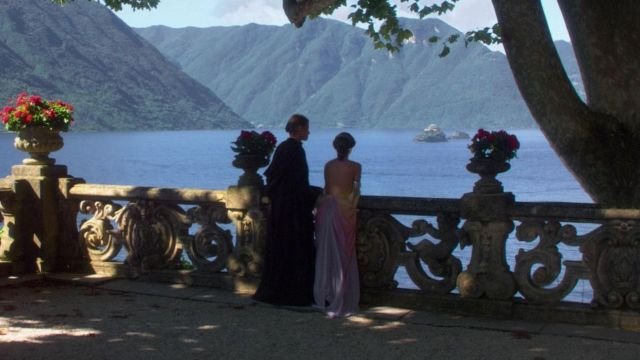
When you picture Naboo, the idyllic home world of Padmé Amidala, what comes to mind? Probably sprawling, ornate palaces, serene lakes, and verdant landscapes that feel both ancient and futuristic. It’s a planet that embodies natural beauty and regal splendor, a stark contrast to the grittier corners of the Star Wars galaxy. But here’s a secret many fans might not realize: those breathtaking vistas and grand architectural marvels aren't just the work of talented concept artists and CGI wizards. The Real-World Locations Used for Naboo in Star Wars: Episode II are stunning, tangible places you can visit, walk through, and immerse yourself in today.
Stepping into Naboo means stepping into specific corners of Spain and, surprisingly, England, offering a unique opportunity to connect with a galaxy far, far away, right here on Earth. These choices by George Lucas and his team were pivotal in giving Naboo its distinctive, elegant European flair, grounding its fantastical elements in a recognizable, almost romantic reality.
At a Glance: Your Quick Guide to Naboo's Earthly Homes
- Theed Palace Exteriors: The grand, iconic shots of Theed, where Anakin and Padmé stroll, are largely Seville, Spain's magnificent Plaza de España.
- A Royal Retreat's Deleted Scene: A dramatic, albeit cut, sequence featuring Jedi escaping a waterfall was filmed in the picturesque grounds of Hever Castle in Kent, southern England.
- Italy's Role: While not detailed in specific Episode II locations in the provided context, the general aesthetic and interior scenes for Naboo are known to draw heavily from Italy's rich architectural heritage.
- A Blend of Worlds: Naboo's look is a masterful fusion of real-world grandeur, set builds, and digital artistry, creating a unique, unforgettable planet.
- Visitability: Both the Plaza de España and Hever Castle are open to the public, offering incredible travel opportunities for Star Wars enthusiasts and history buffs alike.
Crafting a Royal World: Why Real Locations Mattered for Naboo
Naboo isn't just a pretty backdrop; it's a character in itself. Its beauty and peacefulness set the stage for the political intrigue and burgeoning romance central to Star Wars: Episode II – Attack of the Clones. To achieve this, George Lucas and his production designers sought out existing architecture and landscapes that could immediately convey a sense of history, elegance, and scale. They weren't just looking for places that looked good; they needed locations that could feel authentic, even when populated by Gungans and Jedi.
The decision to scout European locations, particularly those with a distinctly classical or renaissance feel, was a stroke of genius. It gave Naboo a timeless quality, suggesting a civilization that had flourished for millennia, building structures that echoed the grandeur of Earth’s own historical empires. This blending of the familiar with the fantastical is a core tenet of effective world-building, and Naboo stands as a shining example.
The Majestic Heart of Theed: Spain's Plaza de España
If there’s one location that instantly transports you to the heart of Naboo’s capital, Theed, it’s the Plaza de España in Seville, Spain. This sprawling, semi-circular plaza is an architectural marvel, and its appearance in Attack of the Clones is arguably its most famous cinematic turn.
A Palace in Plain Sight
When Anakin Skywalker (Hayden Christensen) and Padmé Amidala (Natalie Portman) are seen walking through Theed Palace, discussing politics, personal feelings, and the escalating crisis, you're actually watching them navigate the stunning walkways and bridges of the Plaza de España. The detailed mosaic work, the ornate archways, the grand canal, and the imposing main building all served as the exterior backdrop for Theed Palace. Imagine standing on one of those elegant bridges, overlooking the canal, knowing that two of the galaxy's most pivotal figures once "walked" that very path.
The Plaza de España was originally constructed for the Ibero-American Exposition of 1929, a World's Fair designed to showcase Spain's industrial and technological prowess. Today, parts of the building house government offices, but the entire exterior, with its distinctive Renaissance Revival and Moorish Revival elements, is open to the public. It seamlessly connects to the Parque de María Luisa, Seville’s most famous park, making it a central and easily accessible attraction.
More Than Just a Star Wars Set
What makes the Plaza de España so compelling is its rich history and vibrant present. You can rent a rowboat and paddle along the canal that winds through the plaza, replicating the scenic waters seen in the film (though perhaps without a sleek Naboo star skiff). Horse and buggy rides offer a charming way to explore the surrounding park, allowing you to soak in the atmosphere much like a visiting dignitary.
Beyond Star Wars, the Plaza de España has lent its grandeur to other cinematic masterpieces, including David Lean’s epic Lawrence of Arabia (1962) and Sacha Baron Cohen’s satirical The Dictator (2012). This further cements its status as a versatile and iconic filming location. While in Seville, you're also just a stone's throw away from the Royal Alcázar of Seville, another breathtaking historical site famous for its role as Dorne in Game of Thrones. Seville truly is a cinephile's dream destination.
A Hidden Gem: Hever Castle's Deleted Scene
While Seville provides the sweeping exterior shots of Theed, another, lesser-known location played a brief but memorable role in an Episode II sequence that, sadly, didn't make the final theatrical cut. This is Hever Castle in Kent, southern England.
The Jedi's Narrow Escape
On the special features of the Episode II DVD, you can find a deleted scene that offers a glimpse into another side of Theed and a fascinating use of this English landmark. In this sequence, several Jedi—including Obi-Wan Kenobi and Anakin Skywalker—find themselves in a perilous situation, escaping in a Gungan bongo as it tumbles over a waterfall. It’s a moment of high-stakes action, showcasing the agility and resourcefulness of the Jedi in a desperate escape.
The setting for this specific sequence was an Italian garden within the extensive grounds of Hever Castle. Here, on the edge of a man-made lake, sits a beautiful terrace complete with a fountain. This elegant, classical backdrop was chosen to represent a quiet, yet dramatic, corner of Naboo, adding another layer to the planet's diverse aesthetic. While the scene was cut, its existence highlights the production team's commitment to finding evocative real-world locations, even for fleeting moments.
Exploring Hever Castle
Hever Castle itself is steeped in history, most famously as the childhood home of Anne Boleyn, Henry VIII's second wife. The castle boasts beautiful gardens, including the Italian garden, a maze, and stunning grounds that are perfect for a leisurely stroll. Visiting Hever Castle allows you to walk through the same tranquil, beautifully landscaped spaces that, for a brief moment, became part of Naboo's story. It's a testament to the fact that even scenes that end up on the cutting room floor contribute to the rich tapestry of a film's production.
The Italian Connection: Beyond Seville's Grandeur
While the Plaza de España definitively served as the primary exterior for Theed Palace and Hever Castle as a specific deleted scene location, the broader inspiration for Naboo often points to Italy. The ground truth mentions that "interior scenes are filmed in Italy" in contrast to Seville's exteriors, and that "Most of the exterior shots were done either on location in Italy or on sets at Leavesden" (though later clarified by Seville for the Theed exteriors).
The general architectural style of Naboo—its Renaissance-inspired domes, classical columns, and elegant waterways—draws heavily from Italian cities like Venice and Florence. The spirit of Italian art and design imbues Naboo with its unique sense of ancient beauty and sophisticated artistry. While specific Italian interior locations for Episode II aren't detailed in the provided context, it’s clear that Italy’s aesthetic fingerprint is all over Naboo, complementing the grandeur found in Seville and the serene elegance of Hever.
This blending of Italian-inspired design with Spanish and English actual locations creates a cohesive yet varied visual language for Naboo, ensuring that no matter where the scene takes place, the planet feels consistently majestic. For those curious about the broader cinematic craftsmanship behind the prequel trilogy, delving into The making of Star Wars II offers fascinating insights into how such complex worlds are brought to life.
Visiting Naboo: A Traveler's Guide to a Galaxy Not So Far Away
Ready to plan your own galactic pilgrimage? Visiting the real-world locations of Naboo is an incredibly rewarding experience, offering a tangible connection to the Star Wars universe.
Your Seville Itinerary: Theed Palace Awaits
- Getting There: Seville is easily accessible by plane (San Pablo Airport, SVQ) or high-speed train from other major Spanish cities like Madrid or Barcelona.
- Exploring Plaza de España:
- Open Access: The plaza exterior and surrounding park are generally open to the public 24/7.
- Activities: Rent a rowboat (seasonal), enjoy a horse and buggy ride, or simply wander the bridges and pathways, soaking in the architectural details.
- Best Time to Visit: Early morning or late afternoon to avoid the mid-day heat and larger crowds. The light is also beautiful for photography.
- What to Look For: Pay attention to the intricate tile work depicting different provinces of Spain, the impressive towers, and the overall symmetry that makes it so visually striking. Try to spot the exact spots where Anakin and Padmé walked!
- Nearby Attractions: Don't miss the Royal Alcázar of Seville, Seville Cathedral and its Giralda tower, and the charming Santa Cruz quarter.
Your Kent Adventure: Hever Castle's Hidden Past
- Getting There: Hever Castle is located in Kent, southern England, about an hour's drive or train journey south of London. The nearest train station is Hever, a picturesque walk or short taxi ride from the castle.
- Exploring Hever Castle:
- Opening Hours: Check the official Hever Castle website for current opening times and ticket prices, as these can vary by season.
- The Italian Garden: Make sure to specifically seek out the Italian Garden. It's extensive and features a range of classical sculptures, a grotto, and the beautiful terrace and lake where the deleted Episode II scene was filmed.
- Beyond Star Wars: Explore the historic castle itself, including Anne Boleyn’s childhood rooms, and wander through the stunning grounds, which feature a spectacular rose garden, a yew maze, and a water maze.
- Tips: Allow a full day to properly explore the castle and its vast gardens. Pack comfortable shoes!
More Than Just Scenery: The Enduring Impact of Real Locations
The choice to use real-world locations for Naboo was more than just a logistical decision; it was a creative one with lasting impact. It helped ground the fantastical elements of Star Wars in something tangible, giving the audience a familiar reference point for an alien world. The grandeur of Seville’s Plaza de España, combined with the serene elegance of Hever Castle's gardens, provided a visual richness that even the most sophisticated CGI might struggle to replicate entirely.
This blending of practical effects and real locations with digital enhancements is a hallmark of strong filmmaking. It imbues Naboo with a unique texture and depth, making it feel like a truly lived-in world despite its otherworldly inhabitants. The beauty of these locations helps underscore Naboo's role as a symbol of peace and democracy, a stark contrast to the encroaching darkness of the Clone Wars.
Common Questions About Naboo's Filming Locations
When discussing the real places behind a fictional planet, a few questions naturally arise. Here are some quick answers to common queries:
Q: Was all of Naboo filmed in one place?
A: No, Naboo's diverse look was achieved by combining several real-world locations with extensive set builds and CGI. The main exterior shots of Theed Palace were filmed at the Plaza de España in Seville, Spain. A deleted scene was shot at Hever Castle in England, and general architectural inspiration and some interior scenes are attributed to Italy.
Q: Can I visit these Star Wars locations today?
A: Absolutely! Both the Plaza de España in Seville, Spain, and Hever Castle in Kent, England, are popular tourist attractions and are open to the public. You can walk through the very spots where cinematic history was made.
Q: Why did George Lucas choose these specific places for Naboo?
A: The production team sought locations that offered a grand, classical, and elegant aesthetic, reflecting Naboo's peaceful and sophisticated culture. The Plaza de España provided breathtaking, ornate architecture and expansive grounds, while Hever Castle's Italian garden offered a serene yet dramatic backdrop. These locations allowed the filmmakers to tap into existing architectural beauty, grounding the alien world in familiar, majestic European styles.
Q: Were other parts of Star Wars filmed in Europe?
A: Yes, Europe has been a significant backdrop for the Star Wars saga. For instance, parts of Tatooine were famously filmed in Tunisia, and later films have used locations across various European countries to create diverse alien worlds.
Embark on Your Own Galactic Journey
The allure of Naboo is undeniable, and knowing that its beauty is rooted in real places makes it all the more fascinating. Whether you’re a lifelong Star Wars fan or simply an admirer of grand architecture and stunning landscapes, a visit to Seville’s Plaza de España or England’s Hever Castle offers a unique opportunity. It’s a chance to walk in the footsteps of Jedi and Queens, to stand where worlds collided, and to experience a piece of cinematic magic firsthand. So, pack your bags, fire up your hyperdrive (or just book a flight), and prepare to explore a galaxy far, far away, right here on Earth.