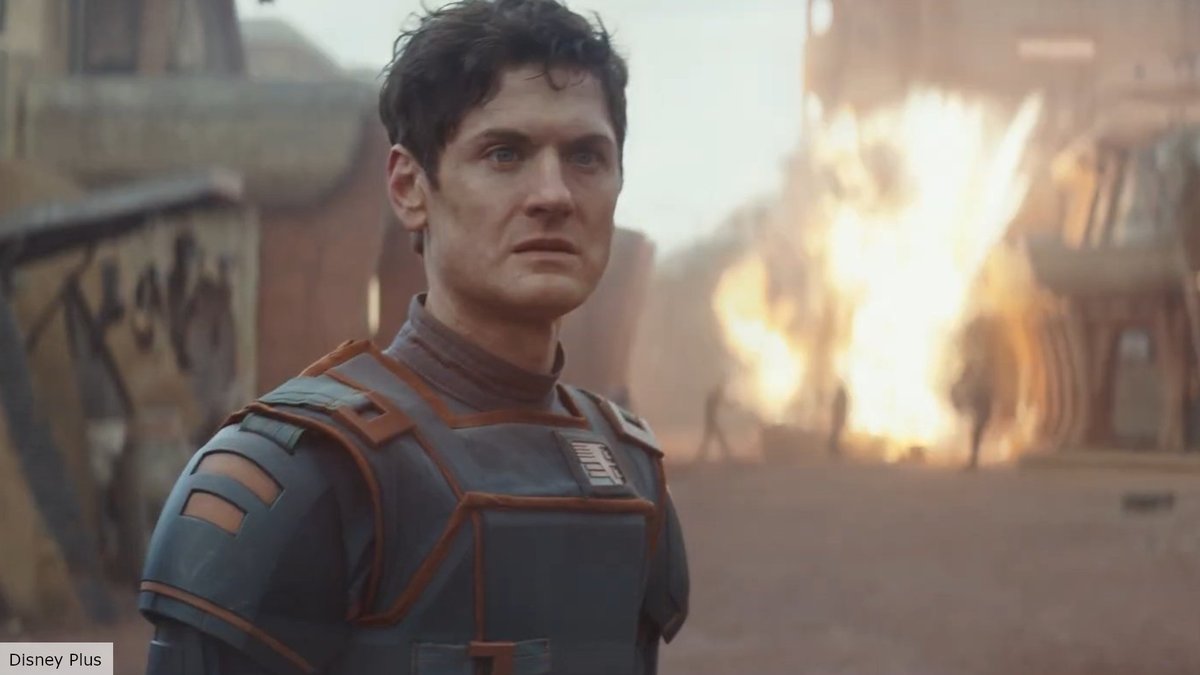
Stepping onto the set of a Star Wars film isn't just about special effects and green screens; it's often a journey to some of the most breathtaking and otherworldly places on Earth. For Star Wars: Episode II – Attack of the Clones, director George Lucas and his team sought to ground the unfolding galactic conflict in real-world grandeur, blending stunning global vistas with groundbreaking digital filmmaking. If you've ever wondered where those sweeping Naboo cityscapes or the desolate Tatooine sands truly exist, you're about to discover the fascinating real-life inspirations behind a galaxy far, far away.
This comprehensive guide pulls back the curtain on the Primary Filming Locations for Star Wars: Episode II, revealing how iconic landmarks and remote natural wonders were transformed into unforgettable alien worlds. We'll explore the ingenious choices that made Attack of the Clones feel both epic and intimately human, even as it pushed the boundaries of visual storytelling.
At a Glance: Episode II's Earthly Homes
- Naboo's Grandeur: The royal city of Theed found its architectural soul in Seville, Spain, while Anakin and Padmé's secret wedding took place against the romantic backdrop of Italy's Lake Como.
- Tatooine's Familiar Sands: Tunisia once again stood in for the harsh desert planet, providing authentic backdrops for Mos Espa, the Lars Homestead, and vast dune seas.
- A Blend of Worlds: Episode II masterfully combined principal photography in these stunning real-world locations with extensive studio work and pioneering digital effects.
- Beyond the Camera: Many locations chosen for their unique beauty and geographical features have become pilgrimage sites for dedicated Star Wars fans.
The Canvas of the Cosmos: Why Real Locations Elevate Star Wars
When it comes to crafting a convincing alien world, nothing quite matches the texture, light, and sheer scale of a real-world location. While Star Wars: Episode II significantly expanded the use of digital sets and computer-generated imagery (CGI), the decision to shoot key sequences on location was a deliberate choice to infuse the film with a tangible sense of reality. These physical environments provided a foundational authenticity that even the most advanced digital artistry couldn't entirely replicate.
For Attack of the Clones, Lucasfilm wasn't just finding pretty backdrops; they were seeking locations that could instantly convey character and atmosphere. The elegant plazas of Naboo needed to feel ancient and majestic, while the endless horizons of Tatooine had to embody isolation and harshness. This strategic blend of the practical and the digital defined the look and feel of the prequel trilogy, setting a new standard for how fantastical narratives could anchor themselves in our own world.
Naboo's Regal Splendor: A European Fairytale
Naboo, the idyllic home of Queen Amidala and later Senator Padmé, has always been portrayed as a planet of breathtaking beauty, characterized by lush landscapes, serene lakes, and ornate architecture. In Attack of the Clones, we return to Naboo for pivotal scenes that highlight both its natural charm and its political significance.
Seville's Plaza de España: The Heart of Theed
Imagine walking through the grand, crescent-shaped plaza of a European city, adorned with intricate tilework, majestic towers, and canals traversed by charming bridges. Now, imagine it as the Royal Palace of Theed, Naboo's capital city. This is precisely what the filmmakers did with the Plaza de España in Seville, Spain.
Constructed for the Ibero-American Exposition of 1929, the Plaza de España is a masterpiece of Spanish regionalist architecture. Its sweeping arc, flanked by tall towers and a magnificent central building, provided the perfect regal foundation for Naboo's capital. In the film, a combination of on-location shooting and groundbreaking CGI digitally expanded the plaza's architecture into the sprawling, elegant city we see. The effect is seamless: you can almost hear the hum of Naboo starships gliding over the domes and spires, even as you stand in the very spot where Anakin Skywalker and Padmé Amidala walked in quieter moments. This fusion of real-world grandeur with digital enhancement allowed Theed to feel both ancient and futuristic, a true testament to the power of thoughtful location scouting.
Lake Como's Romantic Shores: Anakin and Padmé's Secret Wedding
After their harrowing escape from Coruscant, Anakin and Padmé seek refuge on Naboo, finding solace and, ultimately, love amidst its stunning natural beauty. The serene and secluded spot where they secretly marry is one of Episode II's most visually captivating locations: the shores of Lake Como in Italy.
Specifically, the iconic scenes of their clandestine wedding and their tranquil retreat, often referred to as Varadero, were filmed around Villa del Balbianello on the western shore of Lake Como. This exquisite 18th-century villa, with its terraced gardens and stunning views overlooking the lake, perfectly encapsulated the romantic and secluded atmosphere required for the forbidden lovers. The distinctive loggia, offering panoramic vistas, became the backdrop for their tender moments, providing a breathtaking, real-world sanctuary for the two characters.
Fans visiting Lake Como can recognize the famous balcony and lakeside areas. The beauty of Lake Como’s verdant hillsides meeting the clear blue waters offers a stark, peaceful contrast to the galaxy-wide war brewing. It’s a place where history, romance, and the magic of Star Wars converge, allowing visitors to step directly into one of the saga’s most poignant scenes. These European locations were essential in giving Naboo a distinct and memorable aesthetic, differentiating it from the more rugged planets.
Tatooine's Arid Expanses: A Return to the Tunisian Desert
For many Star Wars fans, the image of Tatooine's twin suns setting over a desolate landscape is the very definition of the galaxy far, far away. This iconic desert planet has been a cornerstone of the saga since A New Hope, and Attack of the Clones brings us back to its familiar, sun-baked terrain. Once again, the vast, rugged landscapes of Tunisia served as the primary canvas for Tatooine.
The decision to return to Tunisia was a stroke of genius, offering a consistent visual language for Tatooine while allowing for new stories to unfold within its ancient dunes and troglodyte dwellings. These sites weren't just backdrops; they were characters in themselves, shaping the lives of Anakin, the Lars family, and the various inhabitants of the desert.
Mos Espa and the Dune Sea: North of Nefta
The bustling marketplace of Mos Espa, introduced in The Phantom Menace, is revisited in Attack of the Clones as Anakin returns to find his mother. Many of the Mos Espa marketplace and arena elements were filmed in the Eriguet dune system, north of Nefta, in southwestern Tunisia. This vast expanse of sand dunes provided the quintessential desert environment, immediately recognizable as Tatooine.
While some of the smaller sets for Mos Espa, replicating elements from traditional Tunisian fortified granaries known as ksars, are now largely buried by shifting sands, the essence of the location remains. The sheer scale of the dune system conveyed the isolation and frontier spirit of Mos Espa, a trading post at the edge of civilization. The authenticity of these natural landscapes provided a gritty reality that contrasted sharply with the sleek, digitally enhanced cities of Coruscant, making Tatooine feel truly lived-in and weathered.
The Lars Homestead: Hotel Sidi Driss's Enduring Legacy
Perhaps no location on Tatooine is more instantly recognizable or emotionally significant than the Lars Homestead, Anakin Skywalker's childhood home and Luke's later refuge. In Attack of the Clones, we see a younger Anakin revisiting his mother, Shmi, in the familiar abode, adding a poignant layer to its history. The iconic interior scenes, particularly the dining room, were filmed within Cave 9 in Pit 2 of Hotel Sidi Driss in Matmata al-Qadimal, Tunisia.
This unique hotel is carved directly into the earth, following the traditional troglodyte architecture of the Berber people. Its subterranean courtyards and cave-like rooms perfectly translated into the lived-in, humble environment of the Lars Homestead. The interior decoration, complete with futuristic props and equipment, seamlessly blends with the ancient architecture. Visiting Hotel Sidi Driss today is like stepping directly onto the film set, with many of the Star Wars elements still preserved, allowing fans to sit at the very table where Luke and Obi-Wan once discussed their destiny. This fusion of authentic local culture with science fiction elements created a truly timeless setting.
Ksar Hadada and Ksar Ouled Soltane: Fortified Granaries as Backdrops
Tunisia is home to many remarkable historical sites, and its ancient fortified granaries, known as ksars, provided direct inspiration and actual filming locations for parts of Tatooine. Ksar Hadada and Ksar Ouled Soltane are prime examples of these impressive structures, with their multi-story, cell-like storage rooms (called ghorfas) built around central courtyards.
While the ground truth suggests Ksar Hadada elements were replicated for the Mos Espa small set (now buried), the influence of these ksars on Tatooine's architecture is undeniable. They offered a blueprint for the unique, blocky, and practical buildings that define settlements like Mos Espa. Their weathered stone, narrow passages, and stacked chambers evoke a sense of ancient history and communal living that fit perfectly with Tatooine's frontier towns. These structures show how real-world historical sites can be reimagined to create believable alien civilizations, offering a rich tapestry of visual details for the filmmakers to draw upon.
Maguer Gorge and Chott el-Djerid: The Vastness of the Jundland Wastes
Beyond the settlements, Tatooine is a planet of vast, untamed wilderness. The sweeping vistas and rugged terrains were captured in several Tunisian locations, lending an epic scale to Anakin's desperate search for his mother.
Maguer Gorge, affectionately nicknamed "Star Wars Canyon," located in Dghoumès National Park, played a role in numerous iconic Tatooine scenes across the saga. While specifically noted for Episode I's Tusken Raider sequences, its dramatic rock formations and narrow passages undoubtedly contributed to the overall visual texture of Tatooine in Attack of the Clones, especially in scenes depicting the rugged Jundland Wastes. The natural, untamed beauty of the gorge makes it an ideal spot for alien encounters and high-stakes pursuits.
Additionally, the immense salt flats between Kebili and Tozeur governorates, known as Chott el-Djerid, provided the stark, almost alien-like plains that define parts of Tatooine. These dazzling white expanses, punctuated by distant rocky outcrops, create a sense of infinite horizon and oppressive heat. Such landscapes are perfect for establishing shots that emphasize the sheer scale and isolation of a desert planet. The dramatic visual contrast offered by these natural wonders underlines the raw, unforgiving nature of Anakin's homeworld. The combination of these varied Tunisian landscapes ensured that Tatooine in Episode II felt both familiar and expansive, enhancing the narrative of Anakin's tumultuous return. For deeper insights into the filmmaking process, you might explore Star Wars Episode II filming insights and the technical innovations that brought these locations to life.
Beyond the Horizon: The Symphony of Studios and Digital Innovation
While the stunning real-world locations in Spain, Italy, and Tunisia provided an unparalleled authenticity, it's crucial to remember that much of Star Wars: Episode II was also brought to life within the controlled environments of film studios and through the revolutionary use of digital filmmaking techniques. Planets like Coruscant, Kamino, and Geonosis, with their sprawling cityscapes, endless oceans, and alien battlefields, were largely constructed through a sophisticated blend of miniatures, soundstage sets, and cutting-edge CGI.
For Attack of the Clones, the primary filming took place at Fox Studios Australia in Sydney, where massive soundstages became the homes for the countless interior scenes, from the Jedi Temple halls to the Senate chambers and Padmé's apartment. These studios provided the flexibility to build intricate sets, control lighting, and execute complex stunts that would be impossible in real-world locations.
The film also pioneered advanced digital production methods, where "background plates" (footage of real landscapes or studio environments) could be shot without actors, and then composited with digitally created elements and characters later. This allowed for immense flexibility and scale, seamlessly integrating the practical with the fantastical. So, while you can visit the real-life Naboo and Tatooine, the towering skylines of Coruscant or the storm-swept platforms of Kamino were born from the imaginations of artists and technicians working in tandem with powerful computers. This hybrid approach allowed George Lucas to realize his vision for a galaxy that felt both grounded and utterly boundless.
Unearthing Star Wars History: Visiting the Locations Today
For devoted Star Wars fans, visiting these iconic filming locations isn't just a tourist trip; it's a pilgrimage. Stepping onto the Plaza de España in Seville, wandering the gardens of Villa del Balbianello on Lake Como, or exploring the troglodyte dwellings of Matmata is an immersive experience. It's a chance to feel the same air, see the same light, and connect with the real places that helped shape a fictional universe.
Tips for the Star Wars Location Tourist:
- Do Your Homework: Research specific sites and their accessibility. Some Tunisian locations can be remote.
- Respect Local Culture: These are real communities and historical sites, not just film sets. Be mindful and respectful.
- Look for the Details: Keep an eye out for architectural quirks or natural features that directly inspired the film. Many locations have plaques or local guides who can point out specific Star Wars connections.
- Embrace the Journey: The travel itself can be part of the adventure, especially in places like Tunisia where the landscapes are truly unique.
- Prepare for Crowds: Popular European sites like Seville and Lake Como can be busy, especially during peak tourist season.
These locations offer a unique window into the creative process, showcasing how a film crew can transform the familiar into the extraordinary. They remind us that even in a galaxy far, far away, some of the most powerful magic comes from right here on Earth.
The Enduring Legacy: How Episode II Shaped Star Wars Filming
The making of Star Wars: Episode II – Attack of the Clones stands as a pivotal moment in cinematic history, not just for its narrative within the Skywalker saga, but for its groundbreaking approach to filmmaking. It was a film that dared to push the boundaries of digital technology while still honoring the timeless appeal of real-world locations. This blend of the old and the new became a hallmark of the prequel trilogy and influenced countless films that followed.
The choice of stunning backdrops like Seville's Plaza de España and Italy's Lake Como ensured that despite the heavy reliance on CGI, the film retained a sense of tangible beauty and grandeur. These locations provided anchor points for the audience, grounding the fantastical narrative in recognizable, breathtaking reality. Simultaneously, the extensive use of digital sets and effects allowed for the creation of vast, impossible worlds like Kamino and Geonosis, truly expanding the visual lexicon of the Star Wars universe beyond anything previously imagined.
Episode II demonstrated that practical locations and digital artistry weren't mutually exclusive; rather, they could be powerful allies in storytelling. This film solidified the hybrid filmmaking model that continues to evolve, inspiring filmmakers to look at our own world with fresh eyes, seeing potential alien landscapes and futuristic cities in the ancient and the everyday. The primary filming locations for Star Wars: Episode II are more than just places; they are testaments to a visionary approach that forever changed how we imagine the stars.