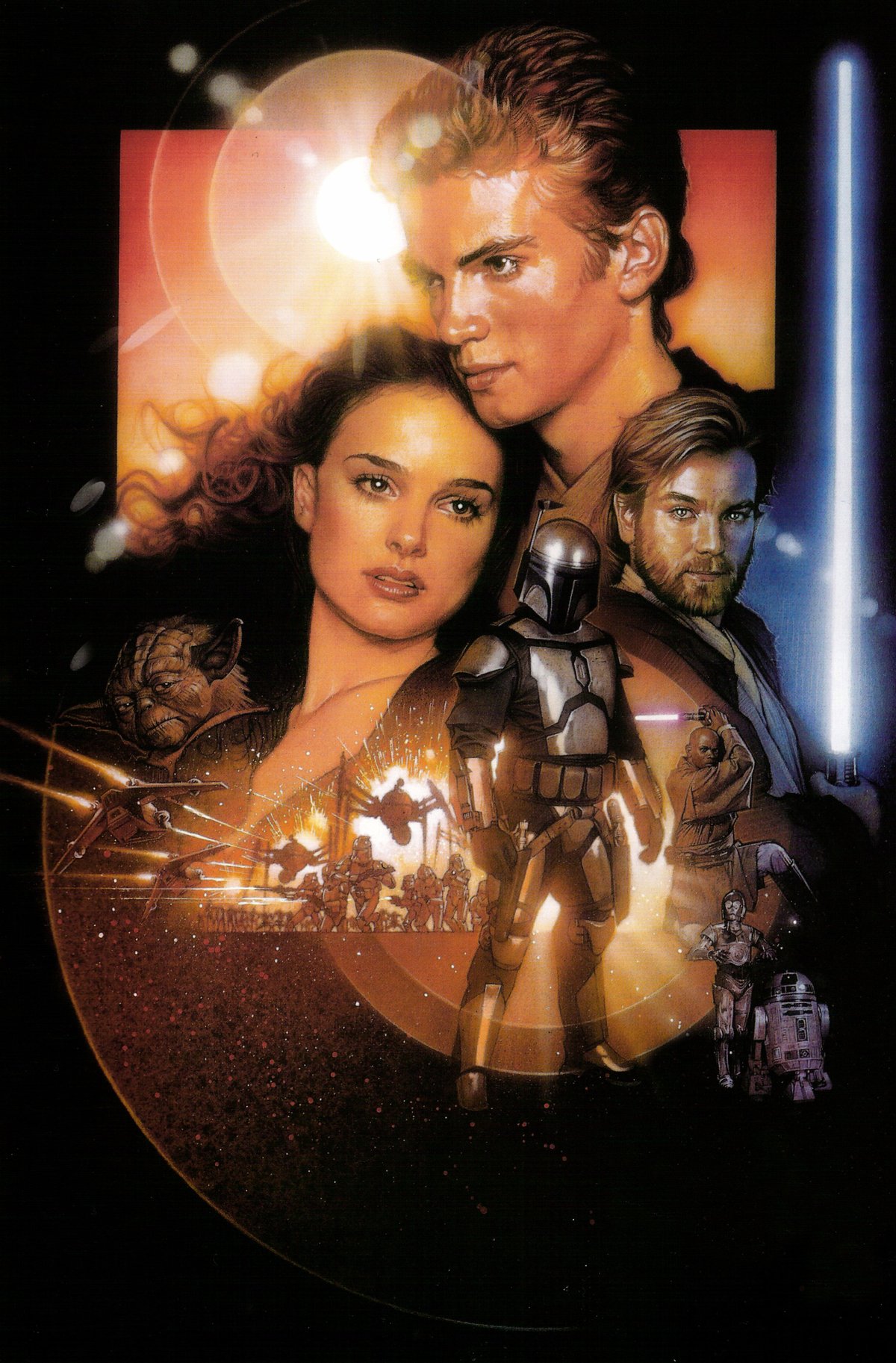
Stepping onto the set of Star Wars: Episode II – Attack of the Clones wasn't just another day in a galaxy far, far away; it was a leap into the future of filmmaking. The production, famously the first major motion picture to be shot entirely on high-definition digital videotape, marked a pivotal moment not just for the Star Wars saga but for the entire industry. The Behind-the-Scenes Stories from Attack of the Clones Filming reveal a groundbreaking blend of traditional craftsmanship and revolutionary digital techniques, where practical sets and global locations met the boundless possibilities of CGI.
This wasn't just about making another Star Wars movie; it was about George Lucas pushing the envelope, challenging his team to embrace a new era of digital production. From the serene Italian lakes standing in for Naboo to the dusty Tunisian plains transforming into Tatooine, and the meticulously crafted soundstages in Australia where entire new worlds took shape, the journey was as ambitious as the narrative itself.
At a Glance: What Defined the Attack of the Clones Production
- Digital Revolution: The first major film shot entirely on high-definition digital videotape, transforming workflows from set to post-production.
- Global Scouting: Filming across breathtaking real-world locations like Como, Italy, and Tunisia, providing authentic backdrops for alien planets.
- Creature & Character Craft: From practical R2-D2 props and full-size starship models to detailed maquettes for new beasts like the nexu, blending physical artistry with digital enhancements.
- Stunt Innovation: Intricate lightsaber choreography led by Nick Gillard, pushing Ewan McGregor and Hayden Christensen to new physical limits.
- ILM's Digital Wizardry: Industrial Light & Magic (ILM) delivered unprecedented visual effects, from the iconic Coruscant airspeeder chase to the sprawling Battle of Geonosis.
- "Mythmaking" Insights: The companion book provided unparalleled access, featuring candid anecdotes from George Lucas, stars like Natalie Portman and Samuel L. Jackson, and key production crew.
- New Worlds & Faces: Introduced iconic planets like Kamino and Geonosis, along with memorable characters such as Jango Fett, Zam Wesell, and Senator Bail Organa.
The Dawn of Digital Filmmaking: A Bold Leap
Imagine trading the familiar hiss and whir of a 35mm film camera for the quiet hum of a digital one. That’s precisely the gamble George Lucas took with Attack of the Clones. It was more than a technical preference; it was a philosophical statement about the future of cinema. Lucas, a long-time advocate for digital filmmaking, saw HD video as the key to seamlessly blending live-action footage with the increasingly complex digital environments and characters ILM was creating.
Shooting entirely on high-definition digital videotape was a massive undertaking, fraught with challenges. The technology was still relatively nascent for a production of this scale, requiring new workflows for everything from on-set monitoring to editing and color grading. Producer Rick McCallum and editor Ben Burtt were instrumental in navigating these uncharted waters. The benefits, however, were immense: immediate feedback on takes, greater flexibility in post-production, and a more integrated pipeline with ILM's digital artists. This pioneering move set a precedent that would soon be followed by countless other productions, forever changing how movies are made. For a deeper dive into the technicalities, you might find more details on How Star Wars 2 was filmed.
Beyond the Green Screen: Real-World Locations and Immersive Sets
While Attack of the Clones is renowned for its digital effects, the production crew didn't shy away from utilizing breathtaking real-world locations to anchor the fantastical. These natural landscapes provided a tangible sense of place and scale, giving the actors genuine environments to react to, before the digital layers were added.
Naboo's Serenity: Italian Lakes and Royal Gardens
The romantic and idyllic scenes on Naboo, featuring Anakin Skywalker (Hayden Christensen) and Padmé Amidala (Natalie Portman), found their real-world counterpart in the stunning region of Como, Italy. Locations like Villa del Balbianello, perched on the shores of Lake Como, served as the backdrop for Padmé's family retreat. The elegant architecture and lush gardens provided a sense of old-world grandeur and peace, a stark contrast to the burgeoning galactic conflict.
Portman and Christensen filmed against these picturesque vistas, lending an authentic European romance to their forbidden love story. The visual splendor of Como perfectly captured the aesthetic introduced in The Phantom Menace, reinforcing Naboo as a planet of beauty and grace, even as its Queen grappled with growing political unrest.
Tatooine's Harsh Beauty: Revisiting Tunisia
For scenes set on Anakin's homeworld of Tatooine, the production returned to the familiar, sun-baked landscapes of Tunisia. This desert nation had previously hosted A New Hope and The Phantom Menace, making it a spiritual home for many Star Wars fans. Here, the team filmed at locations that would become the Lars homestead, a pivotal site for the Skywalker saga.
Actors Bonnie Piesse (Beru Lars), Joel Edgerton (Owen Lars), and Jack Thompson (Cliegg Lars) brought their characters to life amidst the arid terrain, often accompanied by an R2-D2 prop. These scenes emphasized Anakin's humble origins and the tragic fate of his mother, providing a grounding, emotional core to the visually spectacular film. The contrast between Naboo’s opulence and Tatooine’s desolation was palpable, enhanced by the authenticity of these real-world backdrops.
Constructing New Worlds: Kamino, Geonosis, and Coruscant
Beyond the natural beauty of Earthly locations, immense effort went into designing and constructing new alien worlds. For the rain-swept cloning facilities of Kamino and the desolate, insectoid landscapes of Geonosis, much of the construction and filming took place in Australia.
The design process was meticulous, beginning with concept art that evolved into detailed 3D models and large-scale constructs on soundstages. These physical sets, often massive, provided tangible environments for actors to interact with, even if the surrounding vistas would eventually be filled in digitally by ILM. The Coruscant Outlander Club set, for example, was a vibrant, multi-level environment where Obi-Wan Kenobi confronts Zam Wesell. This combination of robust physical sets and extensive digital enhancements allowed the filmmakers to achieve unprecedented visual complexity.
Choreographing the Chaos: Stunts, Lightsabers, and Arena Battles
Attack of the Clones is packed with action, from fast-paced chases to epic lightsaber duels and a climactic, large-scale battle. Bringing these sequences to life required immense coordination, physical prowess, and innovative stunt work.
Stunt coordinator Nick Gillard was the architect of the film's martial arts sequences, responsible for designing the intricate lightsaber choreography. Ewan McGregor, reprising his role as Obi-Wan Kenobi, spent countless hours practicing these complex moves. His dedication was evident in the fluidity and intensity of his duels, particularly the "Rumble in the Rain" sequence against Jango Fett. This pivotal battle, showcasing both blaster fire and hand-to-hand combat, was a testament to the stunt team's ability to create compelling action in challenging conditions.
Hayden Christensen, new to the Star Wars universe, also underwent rigorous training. He filmed an exciting opening chase sequence as Anakin Skywalker, demonstrating the character's burgeoning skill and recklessness. The film culminated in the epic Battle of Geonosis, where Jedi Masters charged a Separatist droid army. While many elements of this battle, including the vast droid legions and digital backgrounds, were ILM's domain, the core choreography and actor performances provided the essential foundation for the digital spectacle. Full-size props, such as Obi-Wan's Jedi starship, were built for practical shots, lending a sense of weight and realism to the action before the digital magic took over.
Bringing Creatures and Characters to Life: From Maquettes to Mo-Cap
A Star Wars film is defined as much by its unique inhabitants as by its heroes and villains. Attack of the Clones introduced a host of new creatures and characters, each requiring a distinct approach to bring them convincingly to the screen.
The Menagerie of Geonosis: Designing Arena Beasts
The Geonosis arena sequence featured a terrifying trio of creatures: the reek, the acklay, and the nexu. To ensure their believability, the design team often started with practical models. A detailed maquette, or scale model, was created for the nexu, one of the more exotic and feline-like predators. These physical models allowed the filmmakers to understand the creature's anatomy, movement, and interaction with light before being translated into sophisticated 3D digital models by ILM. This blend of practical modeling and digital rendering was key to making these alien beasts feel tangible and threatening.
New Faces, Familiar Voices: Expanding the Galaxy
The film expanded the Star Wars canon with several significant new characters. Bounty hunters Jango Fett and Zam Wesell brought a gritty, dangerous edge to the Coruscant underworld. Temuera Morrison’s portrayal of Jango Fett, the genetic template for the clone army, became instantly iconic. Other key introductions included Senator Bail Organa (Jimmy Smits), who would play a crucial role in the future of the galaxy, and Queen Jamillia, Padmé’s successor on Naboo, along with Taun We, the Kaminoan dignitary.
And, of course, some familiar faces were indispensable. Anthony Daniels returned as the golden protocol droid C-3PO, lending his unique voice and physical performance to the character. His presence, alongside the ever-charming R2-D2 prop, provided a comforting link to the established Star Wars universe amidst a rapidly evolving narrative and production style.
The Lucasfilm Archives Unveiled: Insights from "Mythmaking"
For anyone truly curious about the intricate details of the production, the book "Mythmaking: Behind the Scenes of Star Wars: Episode 2: Attack of the Clones" offers an unparalleled window. This comprehensive guide details the complete filmmaking process scene by scene, serving as a definitive archive of the production.
George Lucas's Vision and the Production Team's Drive
The book features revealing observations and anecdotes directly from George Lucas himself, offering insight into his creative decisions and the audacious risks he took, particularly with the shift to digital. It also highlights the tireless efforts of the entire production team, including producer Rick McCallum, who meticulously oversaw the massive logistical challenges. Their collective drive was essential in translating Lucas's ambitious vision from concept to screen.
Candid Confessions: Stars Reflect on the Prequel Experience
One of the book's most appealing aspects is its candid insights from the film’s stars. Ewan McGregor, Natalie Portman, Samuel L. Jackson, Hayden Christensen, Christopher Lee, and Jimmy Smits all share their experiences, reflecting on the challenges of green screen acting, the intensity of lightsaber training, and the unique pressure of working on a Star Wars film. These personal accounts add a human touch to the grand scale of the production, showing the dedication required from both veterans and newcomers.
Crafting the Story: Editing, Scoring, and Cut Scenes
"Mythmaking" delves deep into the post-production process, including the crucial work of editor Ben Burtt. It details how concept art for new planets like Kamino and Geonosis evolved into 3D models and practical constructs. The book also provides fascinating glimpses into cut scenes, offering a "what if" scenario for certain narrative choices and showing the difficult decisions made in the editing room to shape the final story. These details reveal the iterative nature of filmmaking and the constant refinement required to achieve the desired cinematic impact.
The ILM Magic: Pushing the Boundaries of Visual Effects
Industrial Light & Magic (ILM), George Lucas’s legendary visual effects company, was at the forefront of the digital revolution showcased in Attack of the Clones. The film was a testament to their ability to push the boundaries of what was possible with computer-generated imagery. Key figures like John Knoll and Jason Snell were instrumental in realizing some of the film’s most iconic visual sequences.
From the dizzying Coruscant airspeeder chase, where Anakin and Obi-Wan pursue Zam Wesell through a labyrinthine cityscape, to the sprawling clone battle that brought the title of the film to life, ILM’s digital wizardry was everywhere. They were responsible for creating the vast scale of the Separatists' droid army and the legions of clone troopers, often compositing thousands of digital characters into live-action plates. The ambitious plan to use digital backgrounds for the climactic Battle of Geonosis allowed for unparalleled scope and dynamism, creating environments that would have been impossible with traditional matte paintings or miniatures alone. The creation of a Geonosis miniature by Knoll and Snell, alongside the digital enhancements, perfectly illustrates the hybrid approach that made these effects so believable.
Enduring Legacy: What Attack of the Clones Taught Filmmaking
The production of Star Wars: Episode II – Attack of the Clones was far more than just the making of another installment in a beloved saga; it was a groundbreaking experiment that irrevocably altered the landscape of cinema. By boldly embracing high-definition digital videotape, George Lucas and his team championed a technological shift that would soon become industry standard.
The Behind-the-Scenes Stories from Attack of the Clones Filming reveal a production that successfully merged practical filmmaking—global location shoots, full-size props, intricate stunt choreography—with cutting-edge digital effects. This hybrid approach allowed for unparalleled creative freedom, bringing fantastical worlds and epic battles to life with a level of detail and scale previously unimaginable. It taught the industry that the future of filmmaking lay not in abandoning traditional methods, but in intelligently integrating them with new digital tools.
For filmmakers and Star Wars fans alike, understanding the production of Attack of the Clones offers a fascinating case study in innovation under pressure. It's a reminder that true artistry often involves taking calculated risks, embracing new technologies, and a dedicated team working tirelessly to bring an ambitious vision to the big screen. The film's legacy lives on, not just in its place within the Star Wars saga, but in its pioneering spirit that continues to inspire cinematic storytellers today.